1993
Concepto Plastico
Width 11.50 in
Height 15.75in
English
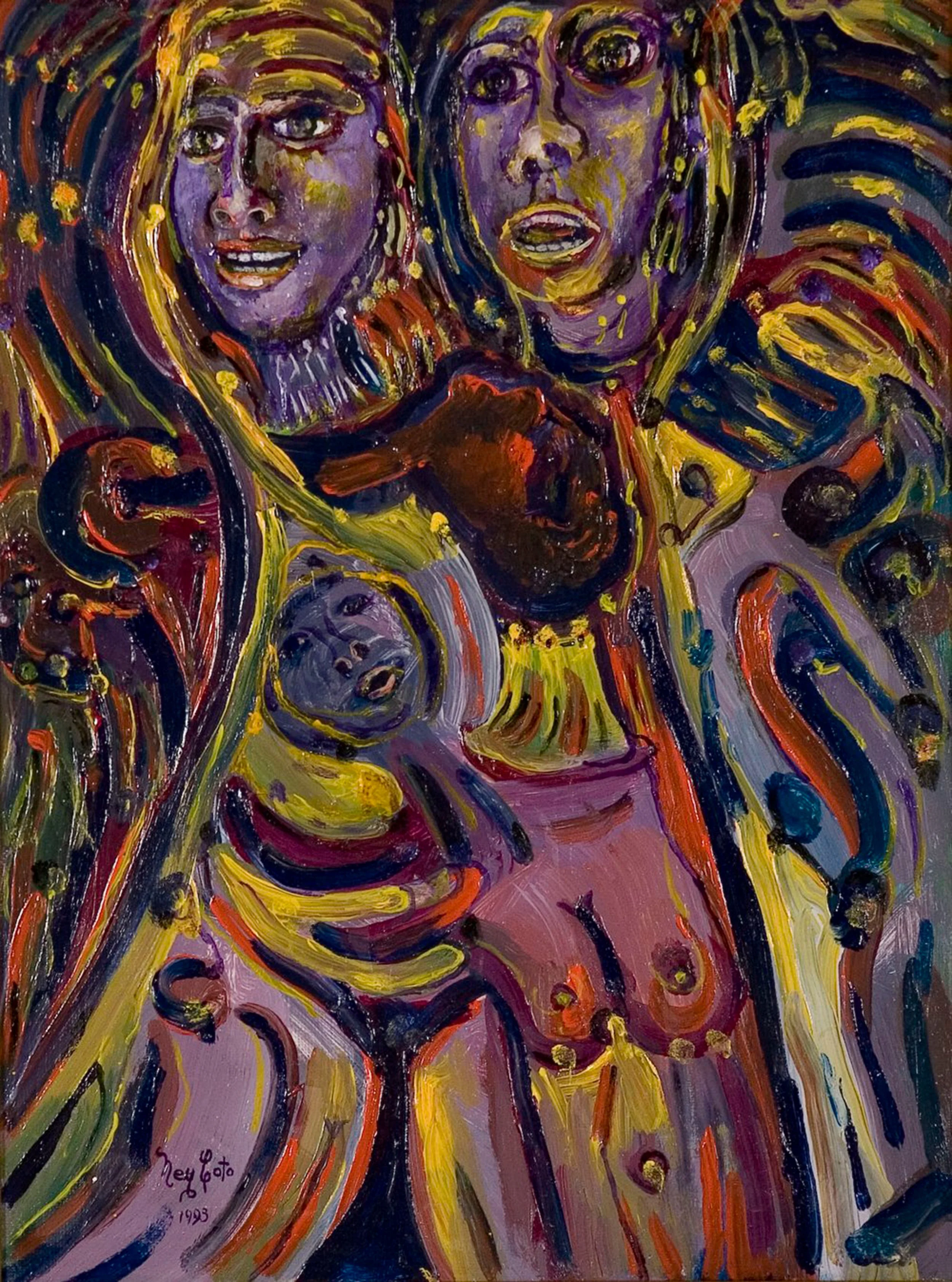
Concepto Plástico (1993) is a meditation on form as thought made visible, where structure becomes a vehicle for feeling, intuition, and internal order. The work seems to arise from a sustained engagement with the plastic qualities of painting itself: line, mass, rhythm, and surface are not treated as separate elements, but as parts of a single visual intelligence. Rather than describing an external scene, the composition appears to construct an idea of painting — a space where perception is shaped, tested, and refined through deliberate formal decisions.
The title suggests an awareness of the medium’s own language, and the work responds by balancing invention with discipline. Forms feel articulated rather than merely placed; they gather, press, and expand in a way that gives the composition a contained vitality. What emerges is a sense of visual logic animated by emotion: the painting does not simply organize space, it reveals how structure itself can hold sensitivity. There is an underlying confidence in the way the image resolves itself, as though each element has been placed in conversation with the others until the whole becomes coherent, tactile, and alive.
The surface reinforces this idea through layered pigment, nuanced textures, and carefully modulated chromatic transitions. Earth tones, deep blues, muted violets, and selective accents of brightness create a climate that feels both grounded and intellectually alert. In Concepto Plástico, the pictorial surface becomes more than material presence; it becomes a field of thought, where abstraction and embodiment meet. The result is a painting that feels disciplined without being rigid, and expressive without losing its structural clarity — a work in which form itself becomes a living concept.
Espanol
Concepto Plástico (1993) es una meditación sobre la forma como pensamiento hecho visible, donde la estructura se convierte en vehículo de emoción, intuición y orden interior. La obra parece surgir de un diálogo sostenido con las cualidades plásticas de la pintura misma: línea, masa, ritmo y superficie no se tratan como elementos separados, sino como partes de una sola inteligencia visual. Más que describir una escena externa, la composición parece construir una idea de la pintura — un espacio donde la percepción se moldea, se pone a prueba y se refina a través de decisiones formales deliberadas.
El título sugiere una conciencia del lenguaje propio del medio, y la obra responde equilibrando invención y disciplina. Las formas se sienten articuladas más que simplemente colocadas; se agrupan, se presionan y se expanden de un modo que le da a la composición una vitalidad contenida. Lo que emerge es una lógica visual animada por la emoción: la pintura no solo organiza el espacio, sino que revela cómo la estructura misma puede contener sensibilidad. Hay una confianza subyacente en la manera en que la imagen se resuelve, como si cada elemento hubiera sido puesto en relación con los demás hasta que el conjunto se vuelve coherente, táctil y vivo.
La superficie refuerza esta idea a través de pigmentos en capas, texturas sutiles y transiciones cromáticas cuidadosamente moduladas. Los tonos tierra, los azules profundos, los violetas apagados y los acentos selectivos de luminosidad crean un clima que se siente a la vez terrenal y atento intelectualmente. En Concepto Plástico, la superficie pictórica se vuelve más que presencia material; se convierte en un campo de pensamiento, donde abstracción y corporeidad se encuentran. El resultado es una pintura disciplinada sin rigidez, expresiva sin perder claridad estructural: una obra en la que la forma misma se convierte en un concepto vivo.